



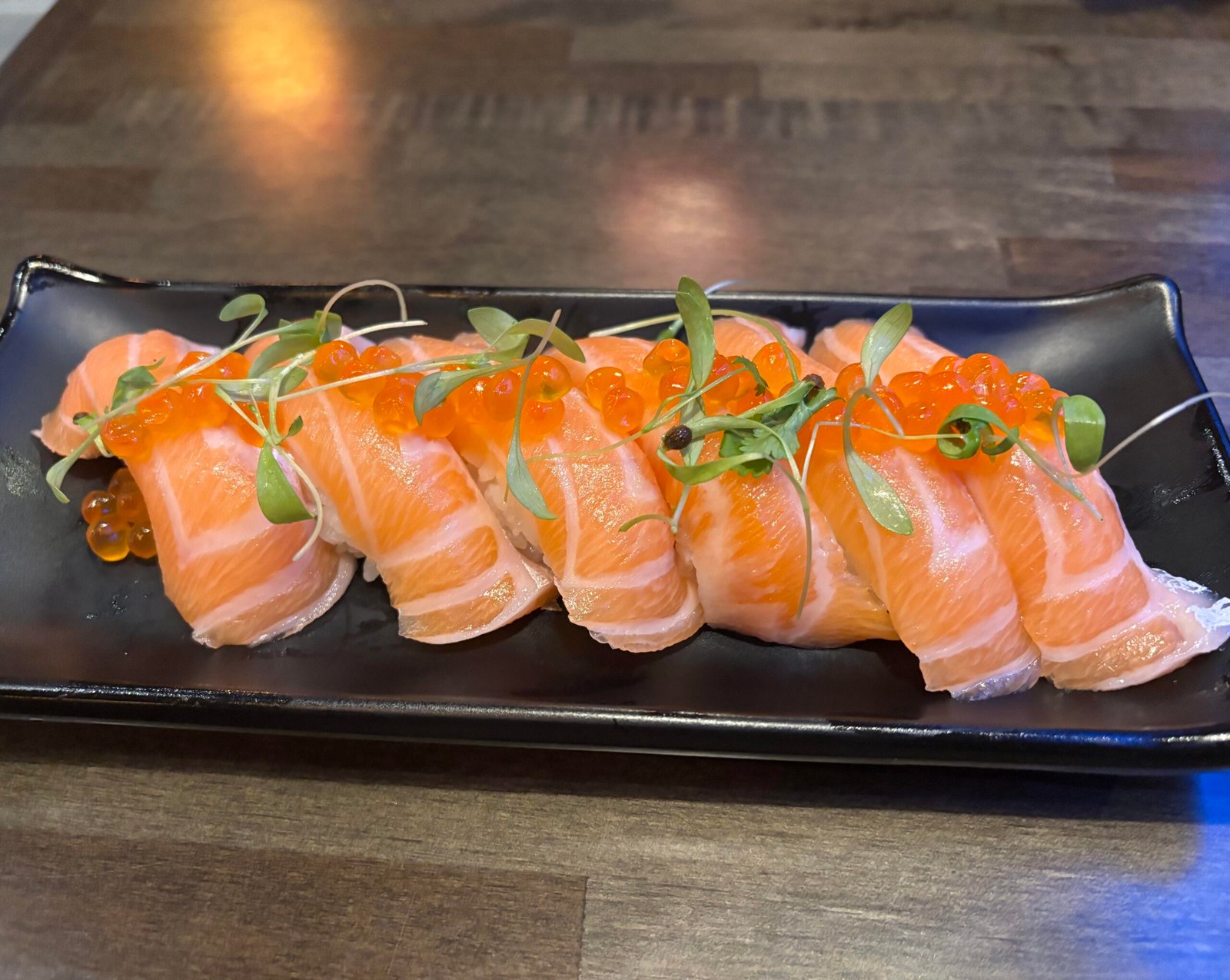
What is Oma Sushi?
Oma sushi, a captivating culinary art, originates from the coastal waters of Japan, specifically from the Oma region in Aomori Prefecture. Renowned for its exquisite quality, this form of sushi primarily incorporates fresh, locally sourced fish, particularly bluefin tuna. The fishermen in this region uphold traditional methods that align with the sustainable harvesting practices, ensuring that only the finest species make it to table. This careful selection process is crucial in the preparation of oma sushi, setting it apart from conventional sushi.
What truly distinguishes oma sushi is not merely the quality of its ingredients, but the overarching philosophy surrounding its preparation. The term “oma” conveys a sense of respect and attention to detail, combining the artistry of traditional Japanese cooking with a focus on the intrinsic flavors of the fish. Chefs often employ simple techniques that highlight the freshness and quality of the ingredients, allowing diners to experience the true essence of the seafood. Unlike traditional sushi, where a variety of toppings and bold sauces may compete with the fish’s natural flavor, oma sushi emphasizes minimalism, ensuring that the star ingredient shines through.
This philosophy has fueled the rising popularity of oma sushi among sushi enthusiasts worldwide. As audiences become more discerning in their culinary preferences, the demand for high-quality, thoughtfully prepared dishes has grown. Diners are increasingly favoring experiences that are deeply rooted in tradition, authenticity, and sustainability. The meticulous approach of oma sushi, combined with its exceptional flavor profile, provides a dining experience that appeals to both new and seasoned sushi lovers alike. The balance of taste, quality, and cultural significance inherent in oma sushi makes it a noteworthy culinary journey for those willing to explore the delicate art of sushi making.
The Ingredients of Oma Sushi
Oma sushi is a culinary masterpiece that emphasizes the use of high-quality ingredients, reflecting the artistry of the chef and the ingredients’ provenance. At the core of this delicacy is fish, typically sourced from the best fisheries around the world. Commonly used fish include tuna, salmon, and mackerel, each chosen not only for their flavor but for their freshness and texture. Fish for oma sushi is often sourced directly from regional fish markets, ensuring that the ingredients are as fresh as possible, sometimes even arriving at the restaurant on the same day they are caught.
The seasonal aspect of the fish is also crucial. Different fish are available at different times of the year, and ome sushi chefs pay close attention to these seasonal changes, adapting their offerings accordingly. This aligns with the philosophy of using regional ingredients, promoting sustainability and supporting local fisheries.
In addition to fish, rice is a critical component of oma sushi. Typically, high-quality short-grain rice is used, which is slightly sticky yet firm, allowing it to hold together well when formed into sushi. The rice is often seasoned with a mixture of rice vinegar, sugar, and salt, which enhances the overall flavor profile of the sushi and creates a beautiful balance with the fish.
Sauces and other accompaniments play a significant role in enhancing the dish’s flavors. For example, soy sauce, wasabi, and pickled ginger are often served alongside oma sushi, each providing a contrasting flavor that elevates the experience. Moreover, customization based on personal preference allows for a unique interaction with the basic elements of sushi.
In essence, the ingredients of oma sushi embody the dedication to quality and freshness that defines this influential culinary art form, showcasing how each ingredient works harmoniously to create a remarkable dining experience.
The Experience of Dining on Oma Sushi
Dining on oma sushi offers a unique culinary experience that captivates the senses and delights the palate. When stepping into a restaurant specializing in this exquisite type of sushi, guests are instantly enveloped in an atmosphere that emphasizes elegance and attention to detail. The soft lighting, minimalist decor, and serene ambiance create a perfect backdrop for the meal that is about to unfold.
Interaction between the chef and diners plays a crucial role in enhancing the experience of enjoying oma sushi. In traditional settings, the chef often prepares each piece of sushi right in front of the guests, showcasing their skill and artistry. This intimate presentation allows diners to appreciate the freshness of the ingredients, as well as the precise techniques employed in crafting each bite. Guests are encouraged to engage with the chef, asking questions and learning about the origins of the ingredients and the preparations involved. This interaction transforms the meal into a personalized experience, fostering a deeper connection to the food.
During a traditional oma sushi meal, presentation is paramount. Each plate resembles a work of art, with colors and shapes thoughtfully arranged to please the eye as much as the palate. The ritual of dining on oma sushi involves savoring each piece one at a time, allowing the flavors to unfold gradually. Diners should expect guidance from the chef regarding the best way to enjoy each bite, such as the appropriate use of soy sauce or wasabi, thus enhancing the overall tasting experience.
The enjoyment of oma sushi transcends mere consumption. It is an elevated culinary journey that combines sensory delight with cultural appreciation, making every meal a memorable occasion. Whether an experienced sushi lover or a curious newcomer, diners will find that the experience of indulging in oma sushi is nothing short of extraordinary.
How to Make Oma Sushi at Home
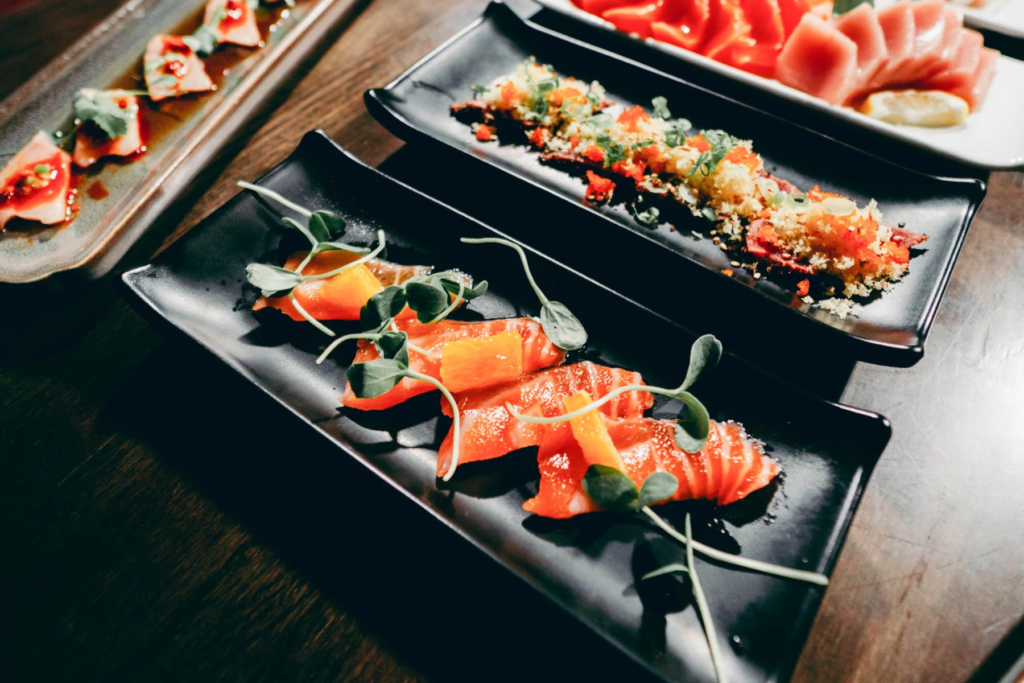
Creating oma sushi at home can be a rewarding experience that allows you to explore this exquisite art form while incorporating your personal style. To begin, gather the essential tools and ingredients needed for preparation. You will require a bamboo sushi mat (makisu), a sharp knife, and a rice cooker or pot for cooking sushi rice. As for ingredients, high-quality sushi rice, nori (seaweed), fresh fish such as salmon or tuna, and vegetables like cucumber or avocado are fundamental. Consider also ingredients for flavoring such as soy sauce, wasabi, and pickled ginger.
To prepare the sushi rice, rinse it under cold water until the water runs clear, then cook it according to your rice cooker’s instructions or the stovetop method. Once cooked, season the rice with a mixture of rice vinegar, sugar, and salt, gently folding it to integrate these flavors without mashing the grains. Allow the rice to cool before assembling your oma sushi.
When it comes to wrapping your sushi roll, start with a sheet of nori placed shiny-side down on your bamboo mat. Spread a thin layer of sushi rice over the nori, leaving about an inch of space at the top. Layer your chosen fillings – be it fish, vegetables, or even pickled items – across the center of the rice. To roll, use the mat to gently lift the edge closest to you, rolling it over the fillings with a firm yet gentle pressure. Moisten the edge of the nori to seal the roll.
Practice is key to mastering the technique of making oma sushi, so don’t hesitate to experiment with various fillings and styles. Whether you create traditional rolls or innovate new flavors, the beauty of oma sushi lies in the balance between artistry and taste. Embrace the chance to reflect Japanese traditions while adding your creative twist, making your sushi experience truly unique.
