



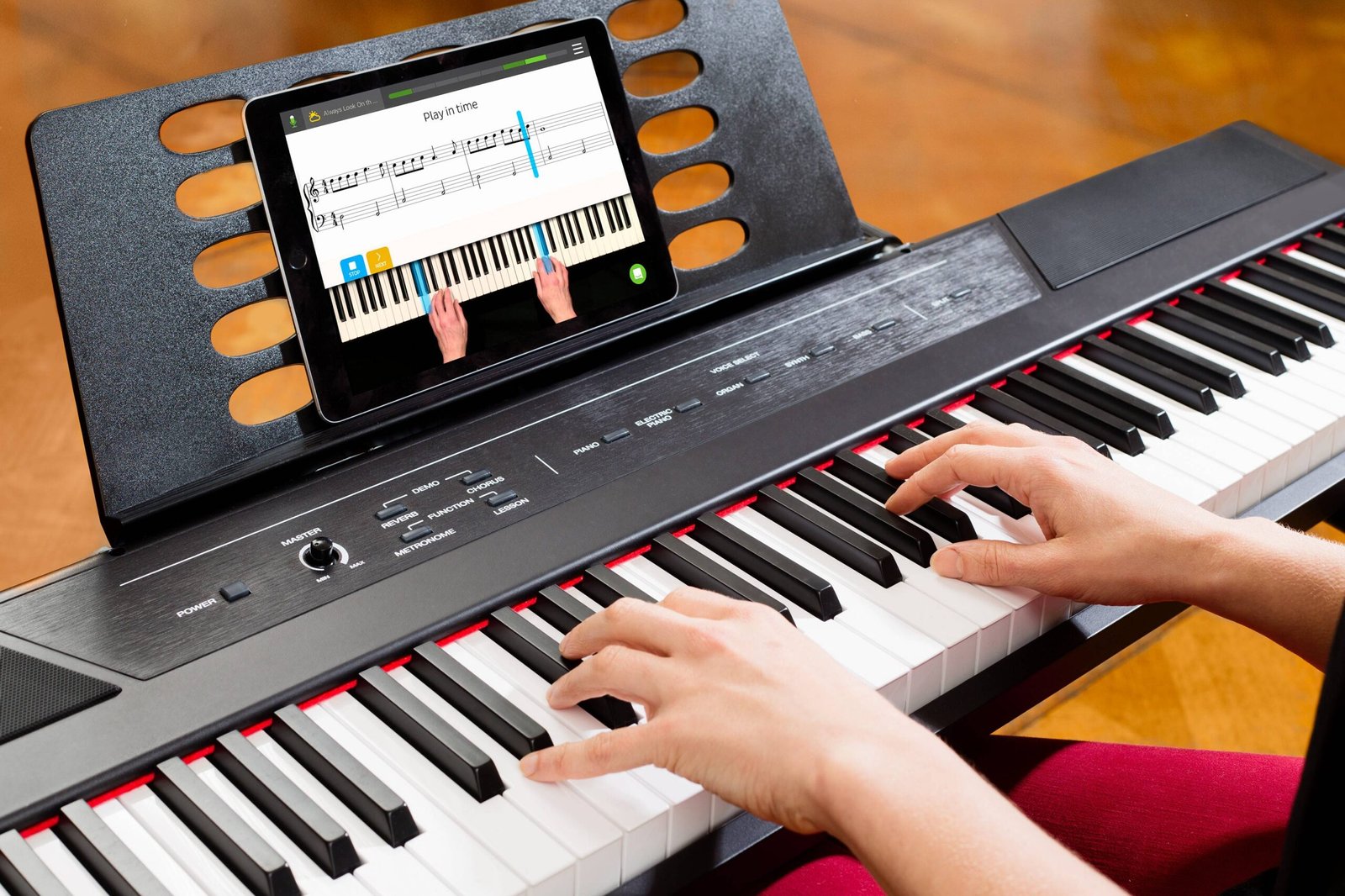
Introduction to Skoove
Skoove is an innovative online platform designed to revolutionize the way individuals learn piano. With a strong emphasis on interactive learning, Skoove offers a unique approach that caters to both beginners and advanced players. One of Skoove’s standout features is its personalized lessons, which adapt to the user’s skill level and learning pace. This means that every student can engage with the material in a way that suits their specific needs, promoting a more effective learning experience.
Moreover, Skoove hosts an extensive library of songs spanning various genres. This vast selection not only makes learning enjoyable but also encourages users to practice regularly by playing songs they love. With interactive feedback, learners can receive real-time assessments of their playing, which helps them understand their strengths and areas for improvement.
Another remarkable aspect of Skoove is its user-friendly interface that allows learners to easily navigate through lessons. The step-by-step tutorials feature both audio and visual aids, facilitating a comprehensive understanding of music theory and piano techniques. Whether you are interested in classical music, pop, or jazz, Skoove’s tutorials cater to diverse musical tastes, making the learning journey highly engaging.
In the contemporary digital landscape, Skoove stands out as a valuable tool for aspiring pianists. It bridges the gap between traditional piano lessons and self-paced online learning, making it an attractive option for those seeking flexibility without sacrificing quality. With Skoove, users are empowered to explore their musical talents and progress at a comfortable pace while enjoying the fruits of their labor through a variety of beautiful songs.
Key Features of Skoove
Skoove is an innovative music learning app designed specifically for individuals wishing to master the piano. One of the standout features of Skoove is its real-time feedback mechanism, which provides users with immediate insights into their performance. As learners practice, the app listens to their playing, offers constructive suggestions, and highlights areas needing improvement. This immediate interaction enhances the learning experience and enables users to adjust their approach on the spot.
Another significant feature is the comprehensive progress tracking system. Skoove allows users to monitor their development over time, helping them to visualize their accomplishments and stay motivated. This tracking includes detailed statistics on practice sessions, song completions, and skill advancements, creating a sense of achievement and encouraging consistent practice.
Furthermore, Skoove boasts an extensive song selection that caters to various musical tastes. From classical pieces to contemporary hits, the app offers a diverse range of songs for learners to explore. This wide array not only keeps users engaged but also helps them find music that resonates with their personal interests, making practice sessions more enjoyable.
Lastly, Skoove’s lessons are adaptable to different skill levels. Whether a novice or a proficient player, learners can benefit from customized lesson plans tailored to their individual needs. The app adjusts the complexity of the material based on user performance, ensuring that all students are challenged appropriately without feeling overwhelmed.
Through these key features—real-time feedback, progress tracking, an extensive song library, and adaptability—Skoove stands out as a premier choice for piano learners. Each aspect is designed to create an engaging and productive learning environment, ultimately facilitating better mastery of the instrument.
User Experiences and Testimonials
When assessing the effectiveness of Skoove, the diverse experiences of its users provide valuable insights. A significant number of testimonials from both beginners and seasoned pianists highlight the platform’s role in their musical journeys. Many beginners express their satisfaction with the user-friendly interface and structured learning approach. For instance, Anna, a 29-year-old beginner, stated, “Skoove made learning piano feel attainable. I never thought I could play a song within my first week, but with their step-by-step lessons, I did just that!” This sentiment is echoed by several others who appreciate how Sko ove breaks down complex concepts into manageable portions, facilitating a smoother learning experience.
Some testimonials come from more experienced players, showcasing how Skoove has enriched their skills. Mark, a self-taught pianist with several years of experience, shared, “I thought I knew the basics, but Skoove opened my eyes to advanced techniques I had never learned before. The interactive feedback was particularly helpful in mastering my timing and dynamics.” His experience reflects a common refrain among users who value the platform’s ability to meet learners at their respective skill levels.
Furthermore, users frequently highlight the motivational aspects of Skoo ve’s progression tracking and the wide array of music genres available. Sarah, a 40-year-old teacher, noted, “The variety of songs motivated me to continue practicing. I loved being able to play music from different genres, keeping my practice sessions fresh and exciting!” These testimonials illuminate the positive impact Skoove has had on numerous learners, underscoring its effectiveness as an innovative tool for piano education.
Comparison with Other Piano Learning Platforms
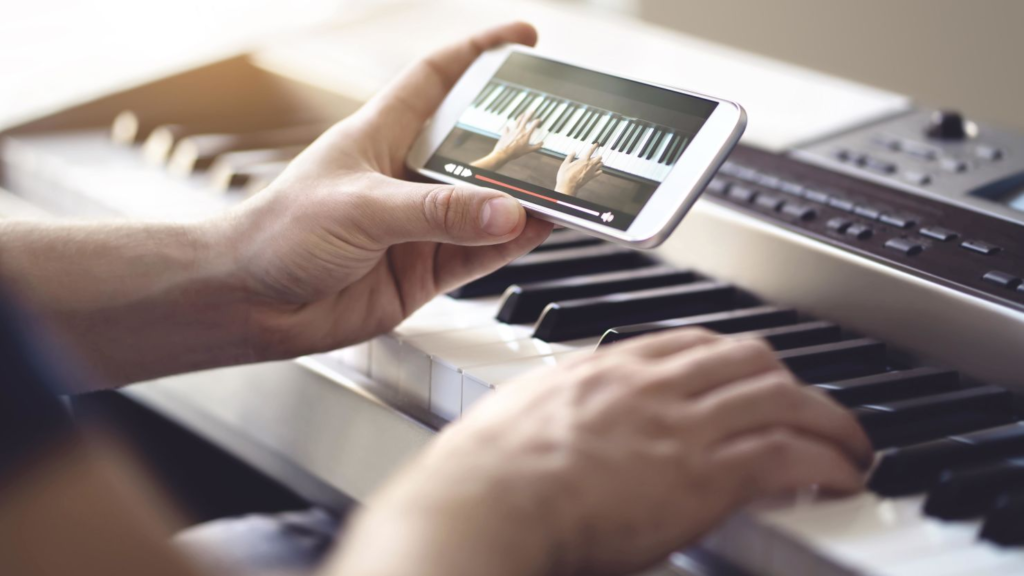
When considering how Skoov stands against other popular piano learning platforms such as Simply Piano and Yousician, it is important to analyze their respective strengths and weaknesses. Skoove offers a unique combination of interactive learning features and personalized feedback, making it particularly appealing for beginners. One of its standout features is the real-time feedback mechanism, which guides users while playing along with its vast catalog of songs.
In contrast, Simply Piano also provides an intuitive learning experience but focuses more on structured course progression. While it lacks the degree of personalization that Sk oove provides, Simply Piano does cater to various skill levels and offers comprehensive learning paths. For those who prefer a more guided approach, Simply Piano may be a suitable choice, but it may not offer the same interactive engagement as Skoove.
Yousician, another strong competitor, emphasizes gamification in its teaching method, making learning feel more like a game than a task. Its engaging interface and competitive elements attract users who appreciate a more interactive environment. However, some learners may find this approach overwhelming and less effective in terms of structured learning, particularly for absolute beginners. In this aspect, Skoove’s simpler interface and focused teaching method may appeal more to those who seek an easier transition into piano playing.
Overall, while Skoove excels in providing a personal touch to learning and instant feedback, competitors like Simply Piano and Yousician offer distinct advantages that may suit different learning preferences. Ultimately, the best choice will depend on individual learning styles, objectives, and specific needs of any aspiring pianist.
